D’var Torah Parshat Balak
Bilaam: Can A Prophet Really Be That Wicked?
By Evan Weiner | 20 February 2024 | 6 Minute Read
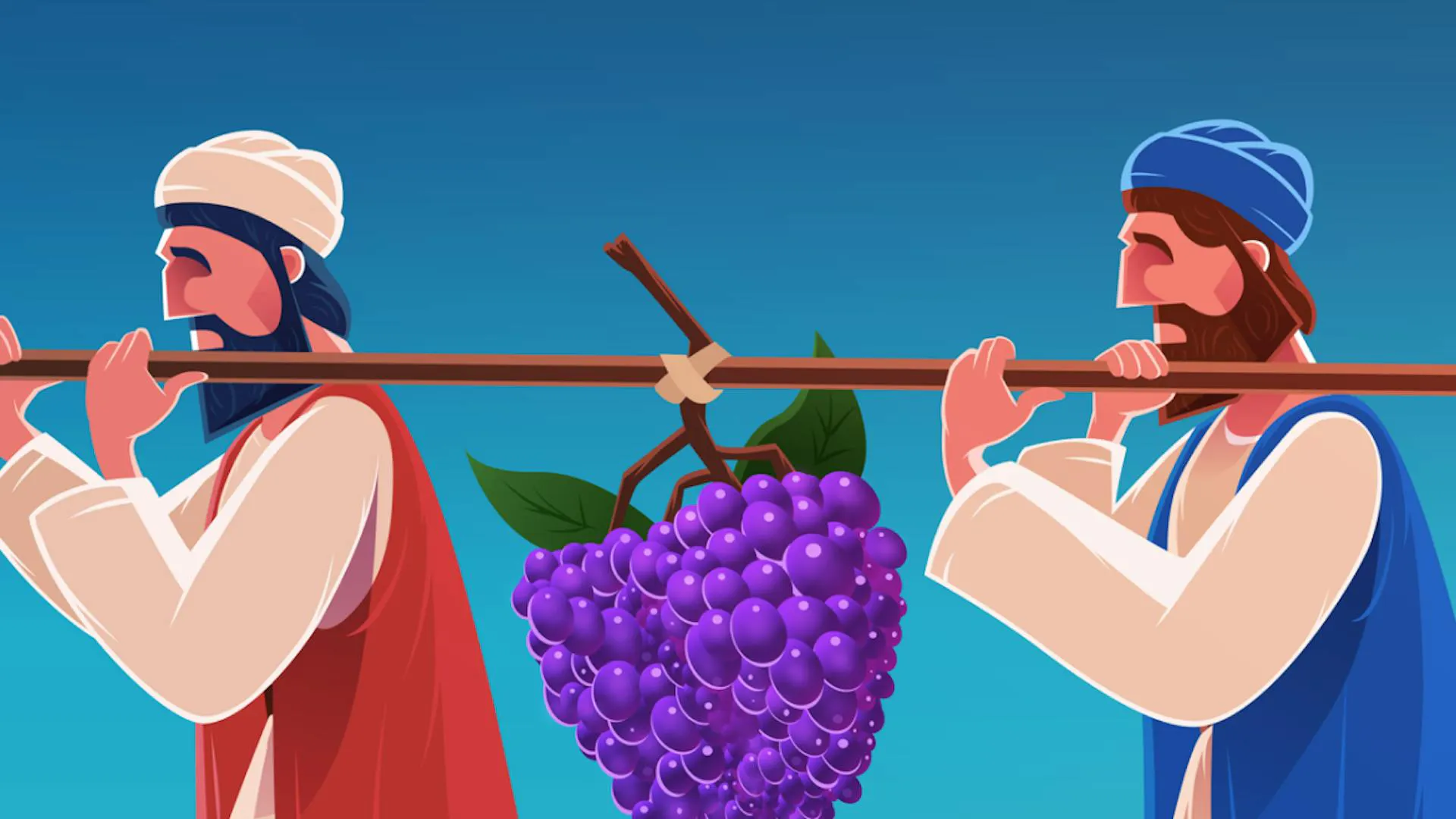
D’var Torah on this week’s Torah portion
What kind of Prophet was Bilaam?
Bilaam (Balaam) is well known as “Bilaam HaRasha” (בִּלְעָם הָרָשָׁע). He was the wicked prophet for the nations of the world (אומות העולם). Chazal, the Sages of the Mishnah and Talmud, paint a really nasty picture of Bilaam’s character. Just one mild example is in Pirke Avot (5:19), the Sages describe Bilaam as greedy, haughty, and selfish. Scroll here for a refresher on the story of Bilaam, his prophecy, and his donkey in Parshat Balak.
Would God Choose Someone Wicked to be a Prophet?
I don’t know about you but …I always imagined that you had to be a pretty decent guy in order to be a prophet. Having God talk directly to you sounds like the kind of thing reserved for big tzadikim, definitely not for someone nicknamed “HaRasha.” If God is willing to talk to people as wicked as we think Bilaam was, then decent folks like you and me should be getting prophetic messages from God all the time, but we don’t. So it seems weird that Chazal portray Bilaam as a huge Rasha, and yet, he was still a prophet of God.
Parshat Balak in a Nutshell
In this week’s Torah portion, Parshat Balak, the King of Moab, is afraid the approaching Israelites will conquer his land. He decides to send for Bilaam, a prophet, to wage a spiritual attack on the Israelites. After initially saying, “No,” God grants Bilaam permission to go with Balak’s messengers. Along the way, we have the famous story of Bilaam and the donkey. Bilaam’s donkey sees a vision of an angel, but Bilaam, oblivious to the angel’s presence, keeps hitting his donkey. Miraculously, Bilaam’s donkey begins to speak. When Bilaam eventually reaches Moab, he attempts to curse the Israelites three times, but each time pronounces blessings instead.

Article Content Box Slice
And if that’s not strange enough, when you read the story, a different picture of Bilaam emerges. Granted, he was willing to curse the Israelites and his spiritual vision needs some corrective lenses to see angels right in front of him, but we can’t see angels either and he’s just helping Balak solve an existential threat. At the very least, when you read the story, he definitely doesn’t come across as the paradigm of haughtiness like we hear about in Pirke Avot. He keeps saying, “I can only say what God puts in my mouth” (Numbers 22:38), “I can’t transgress anything God says” (Numbers 22:18), and he actually follows through on that. There’s a genuine sense of humility in what he says. I don’t think Chazal were just making things up, but what did they see in the Torah that convinced them that Bilaam was so supremely evil?
To answer that, what if I told you that Chazal got their impression of Bilaam from the fact that he had his own test as great as Akeidat Yitzchak? I know it seems crazy, but Chazal were masters of a close reading of the Torah, and I believe they saw several textual parallels linking Bilaam's mission to curse the Israelites with Abraham’s test in the Akeidah.
In this video Rabbi Fohrman and the Aleph Beta team dive deep into this comparison and emerge with a whole new perspective on Bilaam that has inspiring implications. Subscribe now to add meaning to your Shabbat table and inspire your company with the beauty of the Torah.
Article Resources Slice (with Guides)

The Ten Commandments Readers Guide

Printable Guide
Why do we make such a big deal about the Ten Commandments? This guide explores the fascinating structure and the tremendous meaning packed into these few verses.

Tisha B’Av Torah & Haftarah Readings
Article
. To set the tone of loss and lamentation for Tisha B'Av morning, we read Deuteronomy Chapter 4:25-40 as the Torah reading and Jeremiah Chapter 8:13-23 as the accompanying haftarah. Why are these the readings for this day and what can they add to our Tisha B’Av today? Keep reading to go deeper.
Article Resources Slice (with Videos)

Miriam And The Waters Of Strife

Video series • Part 1 of 4 • 25 min
All over the Torah, we see a running theme – where water goes, Miriam soon follows. But what is the odd relationship between the life force of water, and Miriam the prophetess?
What Was The Real Sin Of The Spies Of Canaan?
Video • 14 min
This week, we read about the tragic sin of the spies. It’s a very frustrating story. Every time we read it, just as the spies are about to give their report, we want to scream out, “NO - DON’T DO IT!” How could they have doubted God? How could they have sinned so egregiously?

The Good Spies: How Negative Character Traits Can Become Positive

Video series • Part 1 of 2 • 14 min
Caleb and Joshua were no doubt courageous in defying the other spies. But at the end of the day, nobody listened to them, so what did it accomplish? Scholar Beth Lesch argues that Caleb and Joshua did a lot more than make a great speech - they rewrote history.

Why God Made The Israelites Wander The Desert For 40 Years
Video • 18 min
In this week's parsha, we see the ultimate undoing of the people of Israel - the sin of the spies. When spies are sent to the land of Israel to scout the land, they come back with a negative report, and the people despair, leading to God's wrath, and the death of the entire generation over the course of the next 40 years. What was so bad about the sin, and more importantly, how can we connect to such an angry, vengeful God?
What is Aleph Beta?
Aleph Beta is a unique kind of Torah library. Led by our founder, Rabbi David Fohrman, we are dedicated to high-level, textual Torah learning for adults that is intellectually and spiritually sophisticated, that enlivens your Jewish practice and helps you forge a deeper connection to God. Whether you’ve been learning in yeshiva for years or you’re just beginning your Torah journey, you’re sure to find something meaningful and surprising waiting for you here.
Browse our library of over 1,000 beautifully produced animated videos, podcasts, deep dive courses, and printable guides. Topics include the weekly parsha, Jewish holidays & fast days, laws & mitzvot, prayers, relationships, big philosophical ideas and more. Have something to say at the Shabbos table that will amaze your family and guests and bring deep meaning into their lives.